The simple prayer of the Psalmist in Psalm 119 is the focus of my reflection today. “Incline my heart, O God, to your decrees.” After taking a course in Ignatian Spirituality here at Creighton, it seems to tie in well with Psalm 8 and its recognition that God has a place of honor for we humans in God’s divine creation. We are given great responsibility to care for the works of God’s hands. We should not take that responsibility lightly or be confused about what it requires of us. According to Ignatius, God gave us rule over the works of God’s hands out of God’s great love for us and for all that God had done in creation. We are so honored because God seeks to form an intimate partnership with us in the care of creation. We can’t effectively take on this great role if our hearts are not in tune with God.
The beauty of Ignatian Spirituality is in its patterns of responses to God’s love for us. But first we must fully acknowledge God’s love deeply in our hearts. When we can do that, we will want to respond with all our hearts. The next thing we must do then, is listen to God to gain insights into how we must work with God. We can’t do that either unless we give our whole hearts to the endeavor. That is not that easy to do.
Ignatius taught his followers spiritual exercises that helped them learn to listen to God by developing a conversational relationship with God in prayer. We can do that by developing a deeply personal relationship with Jesus as a constant companion. When we learn to speak with Jesus and listen to Jesus with our hearts, we can more easily discern what God requires of us. In the spirituality class we read a modern spiritual classic that was useful in learning how to interpret the key perspectives Ignatius developed 500 years ago. Dean Brackley, S.J.’s The Call to Discernment in Troubled Times also helps us better understand Pope Francis’ Laudato Si’. I am not going to write a long summary of Brackley’s book here. Instead, I invite you to read it for yourselves. In the class, I also learned to think of God’s call to us as an invitation to expand our souls. I pray Brackley’s book will expand your soul as it did mine.
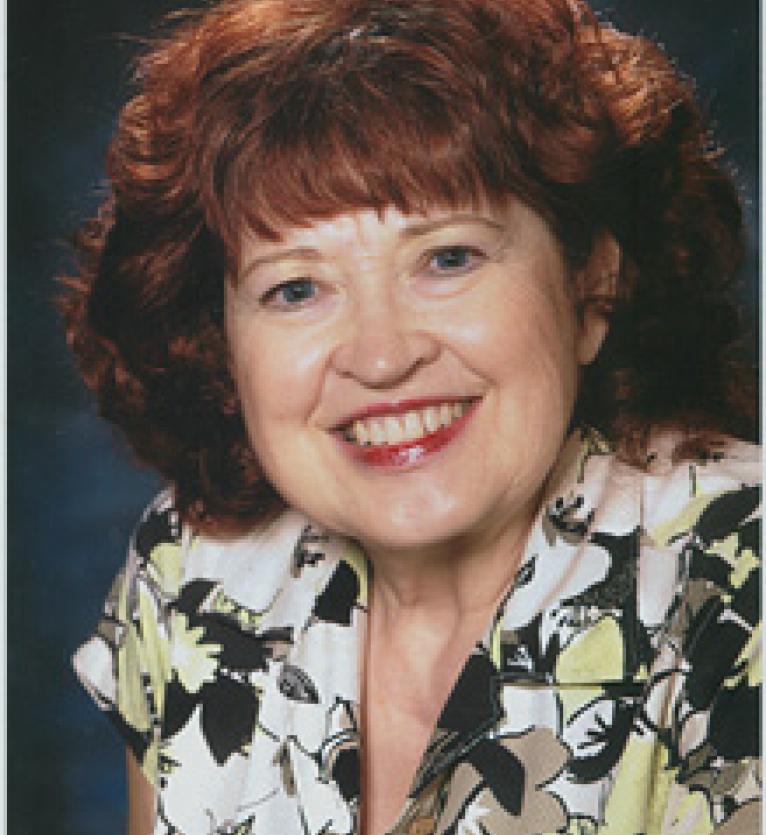
Barbara Dilly
I came to Creighton in 2000 and retired in 2020. My twenty years of teaching, research and service in the Jesuit tradition enhanced my own life. It was an exciting time of celebration. I loved teaching and interacting with Creighton students because they responded so eagerly to the Ignatian pedagogical emphasis on the development of the whole person. It is this spirit of whole person development and celebration of life that I hope to infuse in my reflection writings.
My academic background is eclectic, preparing me well for the Liberal Arts academic environment at Creighton. I earned my BA in World Arts and Cultures from UCLA in 1988 and my Ph.D. in Comparative Cultures from the University of California, Irvine in 1994. My research focused on rural communities in the American Midwest, Latin America, and Australia. I taught Environmental Anthropology, Qualitative Research Methods, Social and Cultural Theory, and Food Studies courses.
I retired to Shell Rock, a small rural community in Northeast Iowa where I enjoy gardening, cooking, quilting, driving my 65 Impala convertible an my 49 Willys Jeepster. I have lots of fun playing my guitars with friends from the Cedar Valley Acoustic Guitar Association. But most importantly, I am still working to make my community and rural America a better place. I host a community quilt studio and serve on the Mission Board of my church. I also serve as the Climate Committee Chair and on the Executive Board of the Center for Rural Affairs.