The best sermons I’ve heard over the years draw much from texts like those we read today.
Good preachers and teachers have pushed me to think of the nearness of God in more empowering ways. God calls people of faith to identify with more than our own problems and needs. Our relationship with God is not simply one of we the weak and afflicted, subject to wickedness and wantonness, ever rescued by a strong and honorable God who saves from our burdens and satisfies our desires. That’s too easy.
God wants us to be so secure that our needs will be met that we can identify with God’s work. God’s blessings to us are not just for our own pleasure, but also for the greater glory of God. God tells us that we can do great things if we take our delight in the Lord rather than in satisfying our own desires. We can repair brokenness and restore that which has been destroyed.
The lessons for today challenge us to consider that God most empowers us when we feel least powerful or most needy. Neediness can take many forms. Jesus told us that the needy are not the healthy or righteous, but the sick and the sinners. Jesus was not sent to pick out all the good people and separate them from the rest of us to serve as role models. Jesus spent all of his time repairing and restoring a lot of needy people to health and newness of life. He then asked these folks to follow him. That’s the model. That’s what my teachers and preachers have been telling me. No matter how great my need, if I identify with the needs of others more than my own, God will help me do great things.
Right now, my faith calls me to consider the suffering and pain of the people of the Middle East, particularly Afghanistan, over my own fears of domestic terrorism. As God removes the yoke of fear from my life, God calls me to rise up the foundations of peace and justice in the many generations of students I teach here at Creighton. In that, I need continual guidance, but it is available in many forms within the community of faith. Many people who read this reflection will respond to encourage me and strengthen me with wisdom from our great heritage of faith.
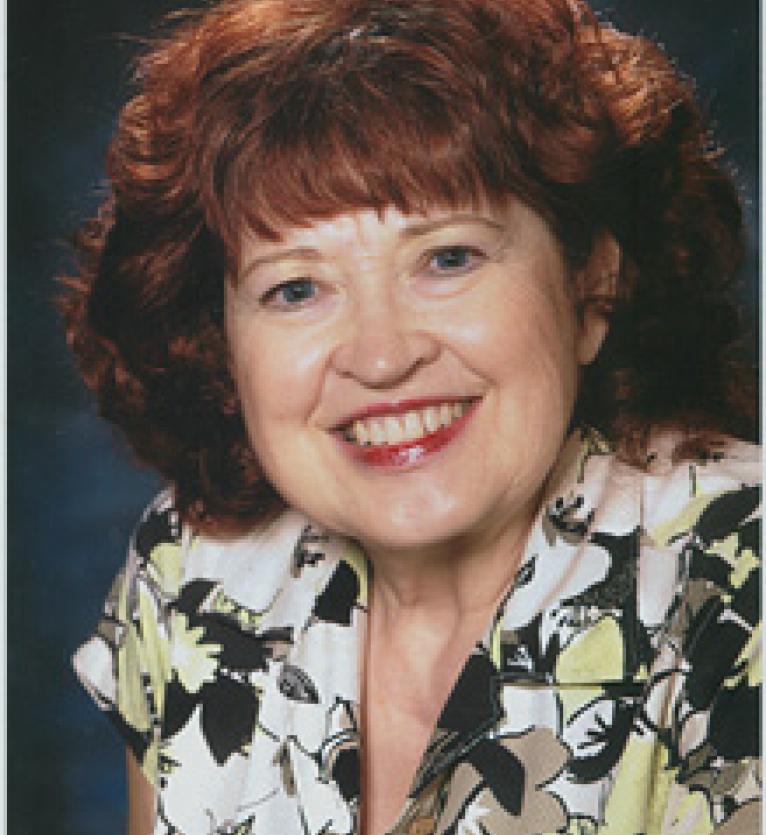
Barbara Dilly
I came to Creighton in 2000 and retired in 2020. My twenty years of teaching, research and service in the Jesuit tradition enhanced my own life. It was an exciting time of celebration. I loved teaching and interacting with Creighton students because they responded so eagerly to the Ignatian pedagogical emphasis on the development of the whole person. It is this spirit of whole person development and celebration of life that I hope to infuse in my reflection writings.
My academic background is eclectic, preparing me well for the Liberal Arts academic environment at Creighton. I earned my BA in World Arts and Cultures from UCLA in 1988 and my Ph.D. in Comparative Cultures from the University of California, Irvine in 1994. My research focused on rural communities in the American Midwest, Latin America, and Australia. I taught Environmental Anthropology, Qualitative Research Methods, Social and Cultural Theory, and Food Studies courses.
I retired to Shell Rock, a small rural community in Northeast Iowa where I enjoy gardening, cooking, quilting, driving my 65 Impala convertible an my 49 Willys Jeepster. I have lots of fun playing my guitars with friends from the Cedar Valley Acoustic Guitar Association. But most importantly, I am still working to make my community and rural America a better place. I host a community quilt studio and serve on the Mission Board of my church. I also serve as the Climate Committee Chair and on the Executive Board of the Center for Rural Affairs.