Hebrews Chapter 4:12-16 is alive with metaphors that reflect cultural attitudes and beliefs regarding human frailty and deep spiritual longings in times of need. How we recognize the difference between our human condition and the spiritual force that overcomes that condition is the product of cultural processes. As a cultural anthropologist, it is interesting to consider how my cultural ways of knowing help or get in the way of my ability to understand what the Bible says to me.
For example, when I read that “the word of God is living and active,” I assume that it means God’s word has the power to motivate people to act on what they read or hear through the Bible. But when I read further in verse 12, I find that the word of God is so alive and so active that it pierces to the division of the soul and spirit to discern the thoughts and intentions of the heart. I am not sure I know what is the division of the soul and the spirit and how that is related to the thoughts and intentions of my heart. From the perspective of my culture, I think the soul, the spirit, and the heart are all psycho-socio-religio concepts that represent the innermost dimension of the individual in a society where individuals are encouraged to keep their inner act together.
Most of us are willing to let the word of God engage us in self-reflection to discern the thoughts and intentions of our hearts, but not to the extent that it would pierce the division of the soul and spirit, something that would make most of us very vulnerable. We are reminded, however, that the exposure of our inner frailties is not to make us more vulnerable. It is to make us more confident. The passage in Hebrew encourages us to not be afraid. If we confess our weaknesses before God, we receive mercy and grace to address our needs. This is difficult to accept for those of us whose culture defines the human condition in terms of a self-centered and autonomous individual soul and spirit. Through our cultural emphasis on this autonomy, most of us turn away from encounters with God’s word that challenge our self-control. We need to be reminded that the word of God is living and active enough to “pierce the division of the soul and spirit” to the extent that we loose this self-centered control.
In this new year, as I examine the thoughts and intentions of my heart and confess the weaknesses I find there, I look to our high priest Jesus, who sympathizes with me, for direction. In Mark, Chapter 2:17, Jesus challenges me to move away from my comfort center to identify the equivalent of sitting down with the tax collectors and sinners in my life to help bring healing to the world. I pray that I may receive mercy and find grace to discover ways to sit down and work with persons recently elected to meet the needs of the poor, the sick, and the excluded. And, I pray, that if I open the division of the soul and spirit, I can draw even nearer to the throne of grace. These are cultural metaphors, I think, for recognizing that without spiritual support, I personally feel pretty frail up against the needs of our society. What the readings for today are telling all of us is that we need to feel more confident. We can meet those needs.
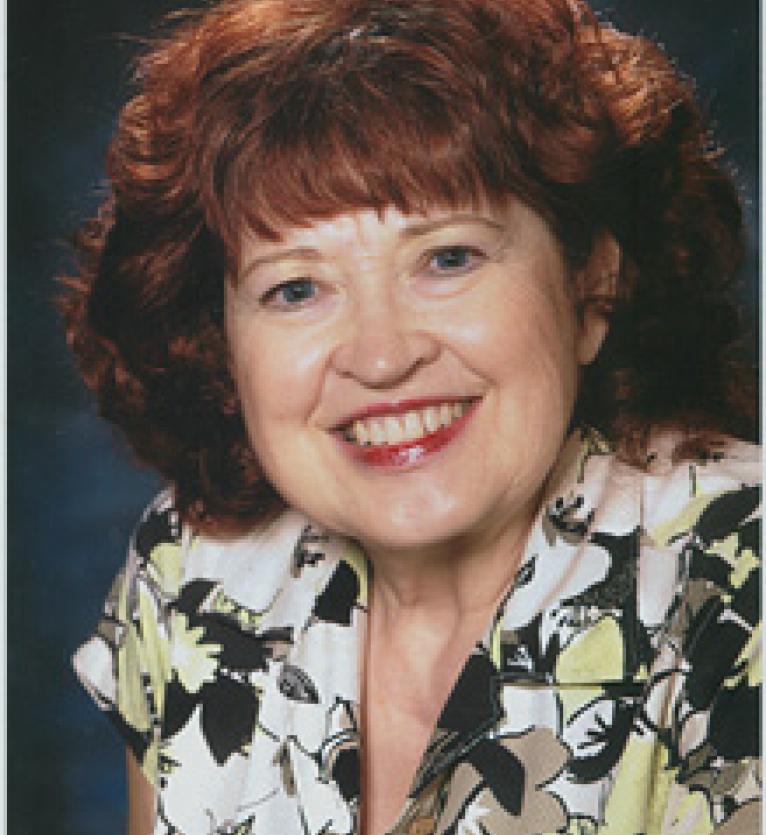
Barbara Dilly
I came to Creighton in 2000 and retired in 2020. My twenty years of teaching, research and service in the Jesuit tradition enhanced my own life. It was an exciting time of celebration. I loved teaching and interacting with Creighton students because they responded so eagerly to the Ignatian pedagogical emphasis on the development of the whole person. It is this spirit of whole person development and celebration of life that I hope to infuse in my reflection writings.
My academic background is eclectic, preparing me well for the Liberal Arts academic environment at Creighton. I earned my BA in World Arts and Cultures from UCLA in 1988 and my Ph.D. in Comparative Cultures from the University of California, Irvine in 1994. My research focused on rural communities in the American Midwest, Latin America, and Australia. I taught Environmental Anthropology, Qualitative Research Methods, Social and Cultural Theory, and Food Studies courses.
I retired to Shell Rock, a small rural community in Northeast Iowa where I enjoy gardening, cooking, quilting, driving my 65 Impala convertible an my 49 Willys Jeepster. I have lots of fun playing my guitars with friends from the Cedar Valley Acoustic Guitar Association. But most importantly, I am still working to make my community and rural America a better place. I host a community quilt studio and serve on the Mission Board of my church. I also serve as the Climate Committee Chair and on the Executive Board of the Center for Rural Affairs.