It is not difficult to consider our own sins in these readings. The Psalm, likely written by David himself, speaks to us all for two reasons. 1) We are all sinners and 2) We are confident we can call upon God for mercy. But are we confident enough? It is that confidence I reflect on today, more so than even our sins. David was certainly a sinner. Yet, he is a role model for Christians because he genuinely repented for his sins. Where did he get that confidence? Many of us certainly do not always feel that confidence. Sometimes we hold back from honest repentance out of a sense that it will put us in such a state of guilt and fear that we will not be able to live out our lives in confidence and righteousness. That is often true for me. I must really work at confession. It is not a mere recitation of petty sins that makes me feel uncomfortable. It is the deeply honest reflection on my shortcomings that I often avoid. To have the confidence to call for God’s compassion to wipe out our offenses and thoroughly wash us from guilt, we need to have a strong faith in the Lord’s goodness. It follows then, for me, that my faith is only so strong as my willingness to sincerely repent.
The question for me, then, is how can I strengthen my faith through sincere and honest confession of my sins? That is a good question for all Christians. The New Testament lessons tell us however, the answer should not be a big mystery. Even children can understand the mysteries of the Kingdom of God. It is as simple as this: God forgives us because God loves us. No matter what we confess, God loves us. In fact, even more so the more honestly, we confess our sins. But sincere confession does take confidence in God’s love and goodness. Through Jesus, any barriers to God as a result of our sins and our limited understanding of God’s love have been removed. All we need is faith. And it seems to me, in my practice, that faith can grow if we daily confess our sins, believing in God’s forgiveness. Our faith grows stronger when we trust that no matter what evil we have done, God does not turn against us. Instead, God turns away from our sins. God blots them out, forgives us and continues to love us. In my experience, our faith grows when we feel that love more strongly every day and rejoice in it. I pray today that all Christians can feel that love more strongly each day as we practice honest confessions.
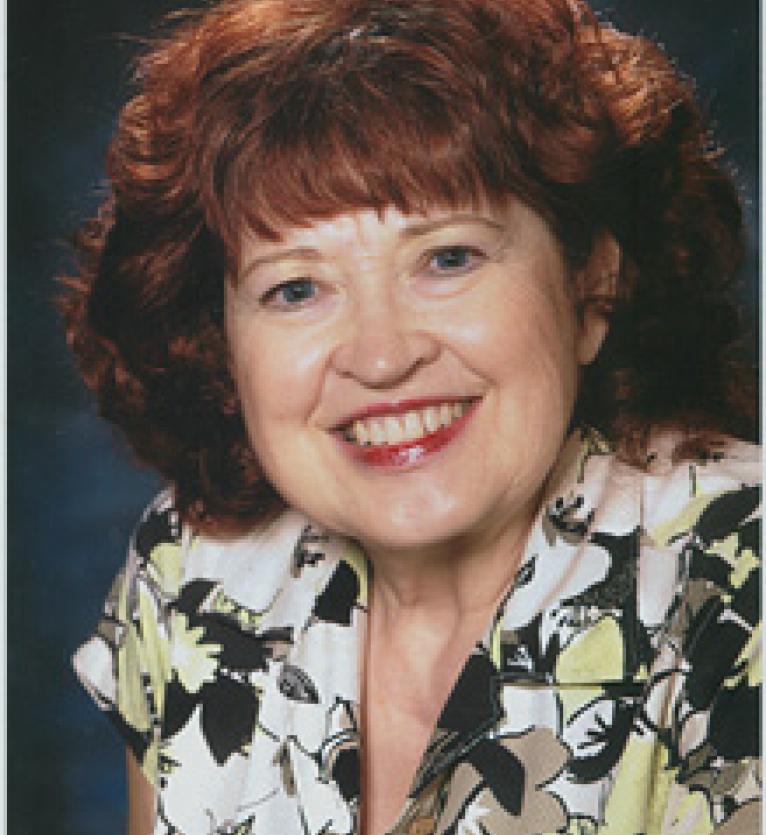
Barbara Dilly
I came to Creighton in 2000 and retired in 2020. My twenty years of teaching, research and service in the Jesuit tradition enhanced my own life. It was an exciting time of celebration. I loved teaching and interacting with Creighton students because they responded so eagerly to the Ignatian pedagogical emphasis on the development of the whole person. It is this spirit of whole person development and celebration of life that I hope to infuse in my reflection writings.
My academic background is eclectic, preparing me well for the Liberal Arts academic environment at Creighton. I earned my BA in World Arts and Cultures from UCLA in 1988 and my Ph.D. in Comparative Cultures from the University of California, Irvine in 1994. My research focused on rural communities in the American Midwest, Latin America, and Australia. I taught Environmental Anthropology, Qualitative Research Methods, Social and Cultural Theory, and Food Studies courses.
I retired to Shell Rock, a small rural community in Northeast Iowa where I enjoy gardening, cooking, quilting, driving my 65 Impala convertible an my 49 Willys Jeepster. I have lots of fun playing my guitars with friends from the Cedar Valley Acoustic Guitar Association. But most importantly, I am still working to make my community and rural America a better place. I host a community quilt studio and serve on the Mission Board of my church. I also serve as the Climate Committee Chair and on the Executive Board of the Center for Rural Affairs.