The story of the injustice done to Naboth by Ahab and his wife Jezebel is common throughout history, even in the history of our own country. I have been watching commemorative documentaries lately that highlight the struggles of native American leaders like Tecumseh and Sitting Bull in resisting the aggressive and violent takeover of their lands. These land grabs were masterminded by Presidents of the expanding United States, whose legacies revered them as great leaders and founders of our nation. Yet, they were as greedy as the king of Samaria. They took the ancestral heritage of thousands of peoples they slaughtered or left homeless and starving. And if the native peoples fought back, the American generals sought angry revenge as their right and duty. Native leaders like Tecumseh and Sitting Bull were labeled by the American aggressors as vicious demons when they took revenge for massacres of entire villages, including women and children.
For two centuries, the Indian Wars on the expanding American frontier were a cycle of violence and revenge, costing the lives of tens of thousands Native peoples, settlers, and soldiers. And while Psalm 5 says that the Lord hates all evildoers and destroys all who speak falsehood and the Lord abhors the bloodthirsty and the deceitful, the call for the Lord’s help on the part of so many in the world seems to be ignored. Cycles of violence continue. It seems to most of us that we are left to our own devices, which is to seek revenge. And yet, Jesus says no. He gives different instructions to us.
Jesus says no to violence as the first resort. Jesus also says no to resisting evil. But by advocating non-violence, he does not ask us to give up our dignity. He asks us to show restraint and to demand respect by not returning insults and evil. He wants us to break the cycle of retaliation and to engage in peacemaking in a creative and dignified manner. This is far from being passive. It is a radical response that asserts an unconventional power by refusing to be the one who is humiliated. It changes the terms of the interaction based on love as a new way of relating to others. It invites them to consider their actions on different terms.
Unfortunately, not every evil situation lets us do this. Non-violence is difficult for us to think about and even more difficult to put into action. That does not mean we should not take Jesus seriously on this. We can learn to reflect on our experiences of injustice, to practice non-violence and to show love to our enemies. There are books we can read and classes we can take that show us significant ways in which non-violence has brought about significant social and political change around the world and even in America. But it starts with our hearts first. I pray today that we will all try to become more like Jesus in this way.
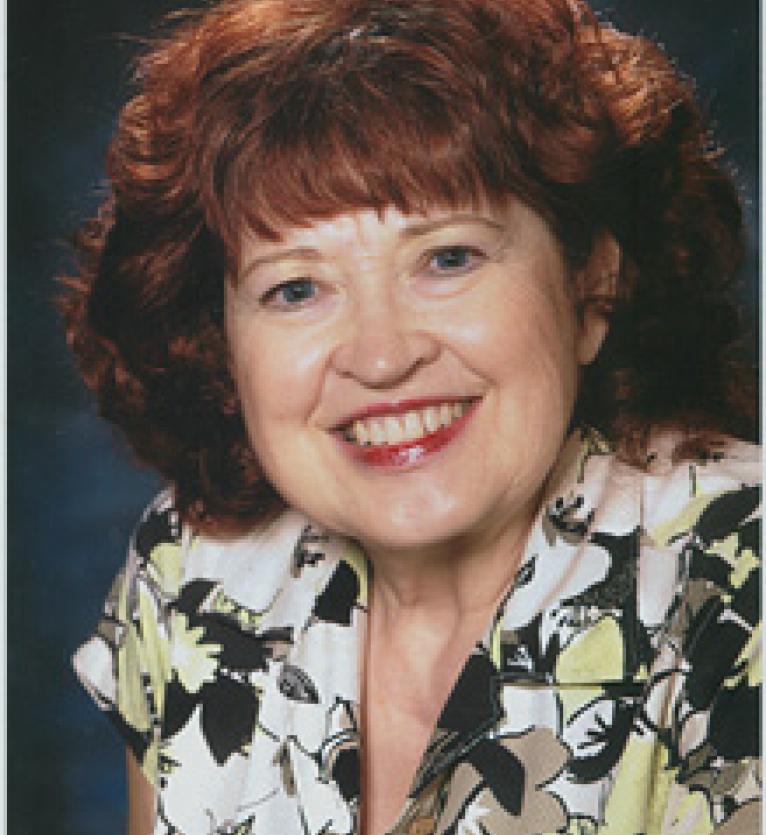
Barbara Dilly
I came to Creighton in 2000 and retired in 2020. My twenty years of teaching, research and service in the Jesuit tradition enhanced my own life. It was an exciting time of celebration. I loved teaching and interacting with Creighton students because they responded so eagerly to the Ignatian pedagogical emphasis on the development of the whole person. It is this spirit of whole person development and celebration of life that I hope to infuse in my reflection writings.
My academic background is eclectic, preparing me well for the Liberal Arts academic environment at Creighton. I earned my BA in World Arts and Cultures from UCLA in 1988 and my Ph.D. in Comparative Cultures from the University of California, Irvine in 1994. My research focused on rural communities in the American Midwest, Latin America, and Australia. I taught Environmental Anthropology, Qualitative Research Methods, Social and Cultural Theory, and Food Studies courses.
I retired to Shell Rock, a small rural community in Northeast Iowa where I enjoy gardening, cooking, quilting, driving my 65 Impala convertible an my 49 Willys Jeepster. I have lots of fun playing my guitars with friends from the Cedar Valley Acoustic Guitar Association. But most importantly, I am still working to make my community and rural America a better place. I host a community quilt studio and serve on the Mission Board of my church. I also serve as the Climate Committee Chair and on the Executive Board of the Center for Rural Affairs.