The readings for today invite us to reflect on the healing love of God and the hope that flows from faith. They remind us that God’s plan for humanity is not one of suffering and sorrow, but one of restoration, joy, and renewed life.
In the passage from the book of the prophet Isaiah, we hear a powerful promise from God: a new creation where past pain no longer dominates memory and where joy becomes the lasting reality of God’s people. The vision presented is one of deep consolation. This prophetic vision invites us to look beyond our present struggles. In our daily lives, we often carry wounds, both physical and emotional. We remember disappointments, hurts inflicted by others, and even the pain of knowing that we have caused suffering ourselves. Yet God assures us that these experiences do not define the final chapter of our lives. Instead, God promises a future where healing is complete and where joy replaces sorrow.
The Gospel of John brings this theme of healing into the present moment through the story of a royal official whose son is gravely ill. Desperate and filled with concern, the father approaches Jesus Christ and pleads for help. At first, Jesus challenges the crowd’s dependence on miraculous signs, suggesting that faith should not depend solely on visible wonders. Yet he responds to the father’s plea and heals the boy from a distance. The official trusts Jesus’ word and returns home, later discovering that his son was healed at the very moment Jesus spoke. The Gospel highlights Jesus’ deep compassion for human suffering. As both fully divine and fully human, Jesus understands the fears and hopes that shape our lives. A parent’s anxiety for a sick child is something profoundly human, and Jesus responds with mercy.
Perhaps we can reflect on our own response to suffering. It is often easier to respond to the needs of someone standing right in front of us than to the struggles of people who live far away or whose pain seems distant from our daily lives. In many ways, today’s readings encourage us to recognize that God’s healing is not limited to the distant future. While the ultimate promise of restoration lies in God’s eternal kingdom, signs of God’s healing love are already present in our world. Prayers of our loved ones and friends for us, the resilience of the human body, supportive communities, and the countless small blessings that sustain daily life can all be seen as gifts that reflect God’s care for humanity.
The readings also invite us to ask a deeper question: how strong would our faith remain if these blessings were taken away? Many people around the world face suffering, unrest, poverty, and illness despite their prayers. The season of Lent challenges us to examine our faith in light of these realities. It calls us not only to gratitude for the blessings we enjoy but also to solidarity with those who struggle.
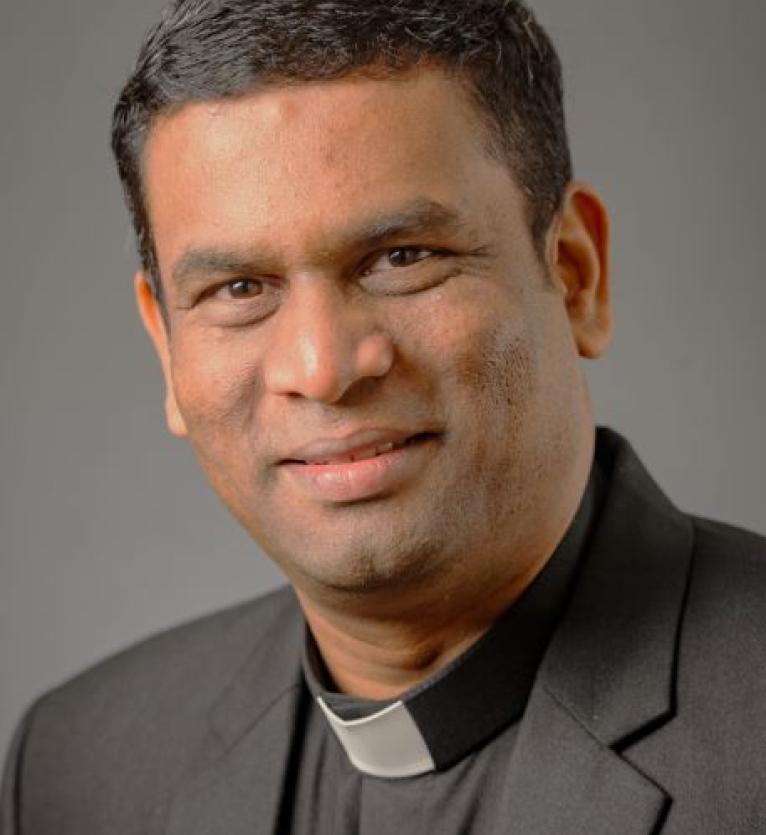
Rev. Elvin Cardoso, SJ
I am a Jesuit priest from Goa, India’s tiny but beautiful state. I studied in a Jesuit school that was from where I got my vocation. I was ordained in 2016. I am currently pursuing a degree in the Interdisciplinary Doctoral Program in Educational Leadership at Creighton University.
I am truly grateful for this opportunity to share and express my faith while simultaneously enhancing and nurturing my prayer life.