As a cultural anthropologist, I know that it is the nature of humanity to seek to know and worship divine beings. The broad range of practices associated with the human quest across time and cultures to comprehend the all-powerful, all wise, and all just reveals that God is indeed larger than our ability to comprehend. Paul addressed the Athenians with this reality. At best we all have only glimpses of God, from which we create our religions. That becomes a problem when we begin to worship our religion and not the God that is in everything and for everything. We can easily go off track and worship something like gold, silver, or even stone images of God fashioned out of our human imaginations.
Thankfully, Jesus gave all of humanity seeking to know God a greater insight into who God is by revealing something of God’s relationship to us. Through his life, death, and resurrection, Jesus brought God closer to humanity in a much more intimate way. This was a huge leap for most people of the time. Religion was based on what people tried to understand from the prophets or what they thought they already knew about God through Old Testament stories. Jesus’s teachings, however, were more about loving relationships between God and humans and humans with each other than they were about laws and religious traditions and temples. Even more challenging, Jesus tells us that we must learn to identify and trust the Spirit that speaks on behalf of Jesus and the Father in seeking and worshiping God.
Jesus did not give us a list of detailed instructions for everything that was going to happen to each of us in every time and place. Rather, he gave us specific principles associated with love, trust, truth, and hope, from which to base our relationships with God and each other. I have learned through my faith traditions that we must listen to the Spirit of truth revealed to each of us in love, and hope. In this way, the Spirit frees us from an exhaustive and incomplete list of rules, practices, and traditions that are never open to reinterpretation in current times and places. That does not mean we are all left to our own devices. We do best when we identify with religious traditions that value scholarly inquiry into the works of the Spirit, inspired preaching, and a community of believers who study the Word of God with each other. We also do best when we listen to the lived lives of our brothers and sisters undergoing struggle and pain for the voice of the Spirit among us to guide us in ways of love, truth, and hope. I pray today for that Spirit to reveal itself even more strongly in our midst.
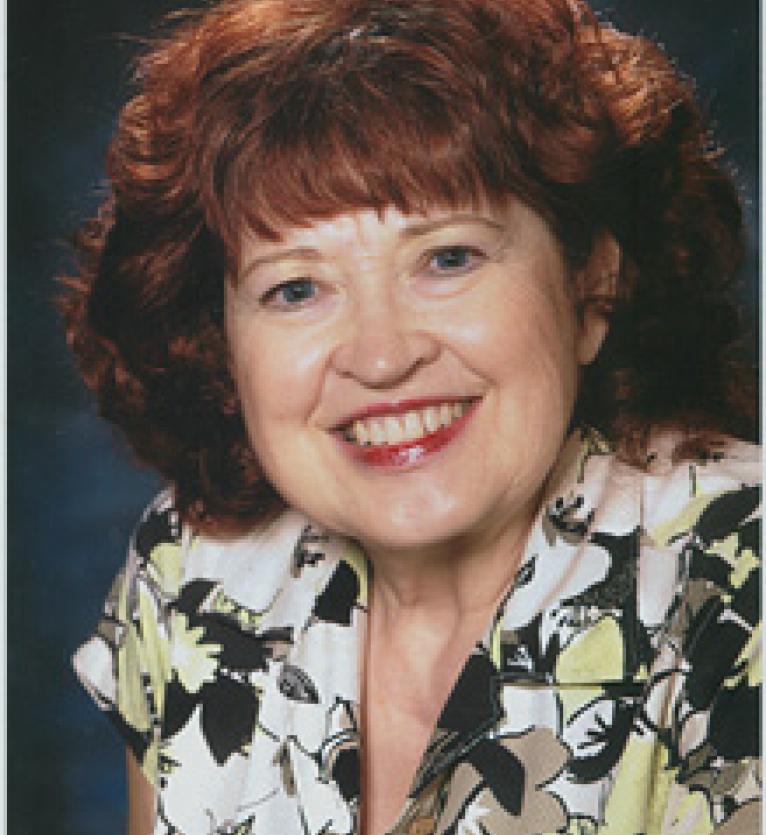
Barbara Dilly
I came to Creighton in 2000 and retired in 2020. My twenty years of teaching, research and service in the Jesuit tradition enhanced my own life. It was an exciting time of celebration. I loved teaching and interacting with Creighton students because they responded so eagerly to the Ignatian pedagogical emphasis on the development of the whole person. It is this spirit of whole person development and celebration of life that I hope to infuse in my reflection writings.
My academic background is eclectic, preparing me well for the Liberal Arts academic environment at Creighton. I earned my BA in World Arts and Cultures from UCLA in 1988 and my Ph.D. in Comparative Cultures from the University of California, Irvine in 1994. My research focused on rural communities in the American Midwest, Latin America, and Australia. I taught Environmental Anthropology, Qualitative Research Methods, Social and Cultural Theory, and Food Studies courses.
I retired to Shell Rock, a small rural community in Northeast Iowa where I enjoy gardening, cooking, quilting, driving my 65 Impala convertible an my 49 Willys Jeepster. I have lots of fun playing my guitars with friends from the Cedar Valley Acoustic Guitar Association. But most importantly, I am still working to make my community and rural America a better place. I host a community quilt studio and serve on the Mission Board of my church. I also serve as the Climate Committee Chair and on the Executive Board of the Center for Rural Affairs.