As Christians, we acknowledge in our profession of faith in the Apostle’s Creed that the Holy Spirit calls us through the Gospel, enlightens us with its gifts, and sanctifies us as believers in the faith. As I reflect on the scripture lessons for today, I think about the disciples who heard Jesus speak the words that they had been chosen out of the world to be persecuted for following him. They were called out of the world to march to a different drum. And so are we. I think about the apostle Paul who was called away from all he knew to be true to reject his former identity. Paul was called to embrace an entirely different world view, to become a different person, and to actively proclaim a new vision for humanity. And so are we.
These lessons are about how we become the people of God. We are called through the Gospel. But we are also called to be different from the world and its ways. Perhaps it is because of my faith that I have studied the Amish as a professional anthropologist. They are the subject of much scholarly inquiry because they are different and that difference begs description and understanding. Scholars acknowledge that the Amish separatism is motivated by Gospel calls to not conform to the ways of the world. There is much written about the ways in which the Amish remain separate. But many of those strategies are increasingly compromised and some argue that means that the Amish are slowly conforming to the ways of the world. I don’t think so, even though it is increasingly difficult for them to maintain their technological and economic independence.
The Amish remain clearly separate in their rejection of the false promises of security and happiness that the world offers. They remain in a faith community that serves the Lord with gladness through hard work and commitment to others. They march to a different drum and they maintain a clear religious identity, as individuals and as a community. Why do they do it? They do it because they read the scripture lessons like the ones we read today. They know that the Lord is good and that Jesus will keep his word. For this reason, they are willing to suffer persecution for the Lord’s sake. And though they slowly “modernize,” they grow stronger in faith and their churches increase in number.
Unlike many Utopian religious sects in America’s past that disintegrated and died out, the Amish do not have a rigid set of beliefs that they will not compromise. Nor do they have charismatic leaders. They have a simple faith. They believe that the Holy Spirit calls them through the Gospel, enlightens them with its gifts, and sanctifies them in the faith. And so do we. We don’t often think of the Amish and give thanks for them as baptized sisters and brothers and fellow workers in the Kingdom of God. But I do because they are a good example of what it means to march to a different drum while serving the Lord with gladness.
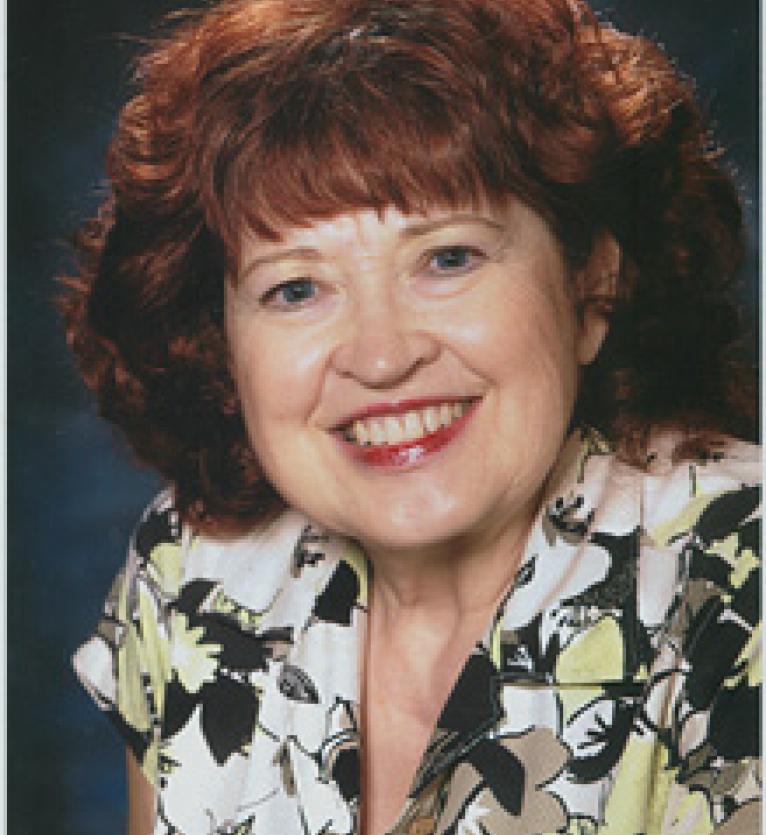
Barbara Dilly
I came to Creighton in 2000 and retired in 2020. My twenty years of teaching, research and service in the Jesuit tradition enhanced my own life. It was an exciting time of celebration. I loved teaching and interacting with Creighton students because they responded so eagerly to the Ignatian pedagogical emphasis on the development of the whole person. It is this spirit of whole person development and celebration of life that I hope to infuse in my reflection writings.
My academic background is eclectic, preparing me well for the Liberal Arts academic environment at Creighton. I earned my BA in World Arts and Cultures from UCLA in 1988 and my Ph.D. in Comparative Cultures from the University of California, Irvine in 1994. My research focused on rural communities in the American Midwest, Latin America, and Australia. I taught Environmental Anthropology, Qualitative Research Methods, Social and Cultural Theory, and Food Studies courses.
I retired to Shell Rock, a small rural community in Northeast Iowa where I enjoy gardening, cooking, quilting, driving my 65 Impala convertible an my 49 Willys Jeepster. I have lots of fun playing my guitars with friends from the Cedar Valley Acoustic Guitar Association. But most importantly, I am still working to make my community and rural America a better place. I host a community quilt studio and serve on the Mission Board of my church. I also serve as the Climate Committee Chair and on the Executive Board of the Center for Rural Affairs.