When I reflect on the lessons of each day, I am usually most inspired by the Gospel lesson, but this time, the Acts of the Apostles speak more clearly to me about my own life. I don’t know about you, but I suspect that the angel of the Lord who opened the doors of the prison was an ordinary human being who became an angel for a day. I think a lot of us become angels when it is necessary for someone to open the door for the word of God to be taught in its truth and purity. In this story, the angel not only let the Apostles out of jail, he told them to go to the temple and proclaim the Gospel message. So it wasn’t just someone who felt sorry for them who let them out and told them how to get out of town. It was someone who was well aware of what was at stake in the power play between the Sadducees and the Apostles. The Word of the Lord needed to be told in its truth and purity. What had happened with the resurrection of Christ needed to be brought to light. The works of the Lord needed to be fully exposed. The Sadducees did not want that to happen. But because of an angel, it did.
The Gospel tells us that when the light came into the world, it would expose wickedness. And that is what happened when the Apostles went to the temple as they were told by the angel and taught about how God sent Jesus to save the world. The angel made sure that would happen. And the people listened. Because the light exposed the darkness, the chief priests were afraid to harm the Apostles. They started out in big trouble, but they escaped harm and ultimately were effective in bringing light into the world because an angel not only rescued them, but encouraged them.
I think an angel rescues me pretty regularly. It seems to me that even though I get discouraged often when teaching students about how to recognize the darkness of structured inequality in this world, an angel comes and helps me call them to compassion for the unfortunate. That angel is usually a student whose face brightens up when they understand the needs in the world and who makes contributions in and out of the classroom that help open the doors for other students. As the semester winds to an end, I am thankful for the many angels in my classrooms who hear the cries of the poor and lowly. They are the shining lights that God works through. As the year ends, I am very thankful for the many graduating seniors who will receive recognition for all the light they have brought into the world through their service to others. They encourage me as a teacher to keep Creighton’s Christian mission in mind every day that I enter the classroom. I am thankful for the angels.
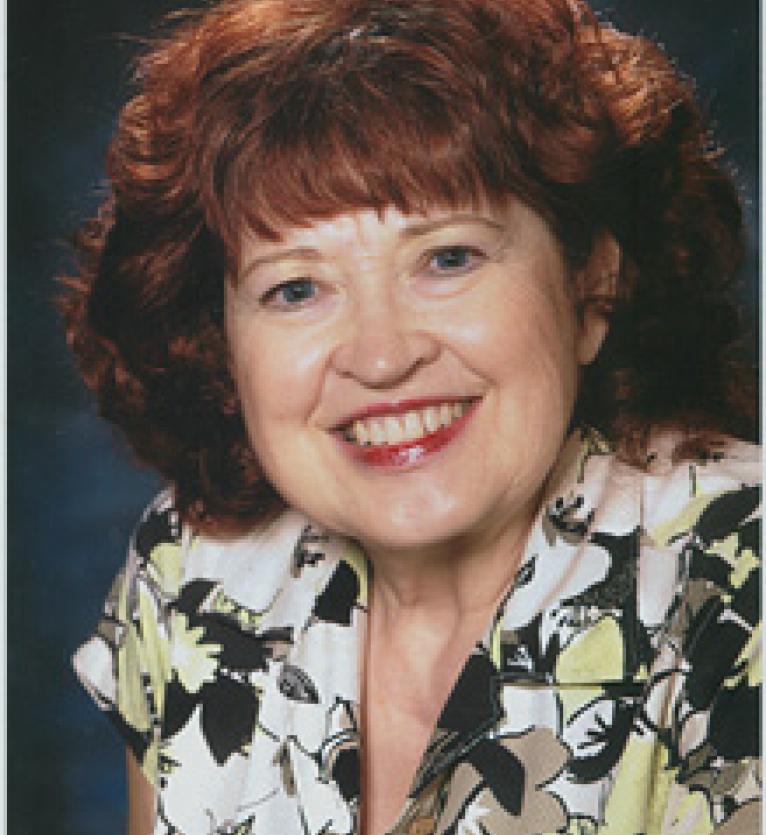
Barbara Dilly
I came to Creighton in 2000 and retired in 2020. My twenty years of teaching, research and service in the Jesuit tradition enhanced my own life. It was an exciting time of celebration. I loved teaching and interacting with Creighton students because they responded so eagerly to the Ignatian pedagogical emphasis on the development of the whole person. It is this spirit of whole person development and celebration of life that I hope to infuse in my reflection writings.
My academic background is eclectic, preparing me well for the Liberal Arts academic environment at Creighton. I earned my BA in World Arts and Cultures from UCLA in 1988 and my Ph.D. in Comparative Cultures from the University of California, Irvine in 1994. My research focused on rural communities in the American Midwest, Latin America, and Australia. I taught Environmental Anthropology, Qualitative Research Methods, Social and Cultural Theory, and Food Studies courses.
I retired to Shell Rock, a small rural community in Northeast Iowa where I enjoy gardening, cooking, quilting, driving my 65 Impala convertible an my 49 Willys Jeepster. I have lots of fun playing my guitars with friends from the Cedar Valley Acoustic Guitar Association. But most importantly, I am still working to make my community and rural America a better place. I host a community quilt studio and serve on the Mission Board of my church. I also serve as the Climate Committee Chair and on the Executive Board of the Center for Rural Affairs.