After re-reading all the lessons for today and looking for a new insight into God’s messages to us, I offer the following reflection. While we believe the Lord will redeem even the most wicked people if they repent and turn from their ways, it seems that some of us are called, and called very forcefully, to be messengers of the Lord’s call to repentance. That was certainly the case for Jonah. He first heard, but he did not register what he heard as significant. He did not act on it. That is true of all of us in one way or another. And just because we are not jerked back to attention like Jonah was, we should stop and think about the important work God calls us to do that we often ignore because it is inconvenient to us.
Jonah’s story is so dramatic that we often have difficulty applying it to our own lives. Yet, it seems clear that we are all called to hear the word of God and to observe it in some way or another significantly. It is less clear to me, and to most of us, just how we are to do that. Some of us take on big, risky jobs, like the one Jonah got. He had to save a whole city. Still others among us get more ordinary, but no less significant jobs, like the one Martha assumed in preparing food for the guests who came to see Jesus. That leaves us with Mary, who, we are told by Jesus, chose the most important job, that of just listening to Jesus. But does that mean she never had to do anything? End of story?
I do not think so. These lessons tell us that we are all at various places on our faith journey. It may be that Martha had already heard the word of God and that the next time Jesus came to town, Mary was ready and willing to help her sister with the preparations. We do know, however, that sometimes we need to just sit and listen. And sometimes we need to do something. I think that is what makes being a Christian so interesting and exciting. If we keep listening to Jesus, we are always receiving new insights into how we are to respond to some new situation. I pray today that we will all be inspired to respond to a new call to do God’s work with our hands or voices.
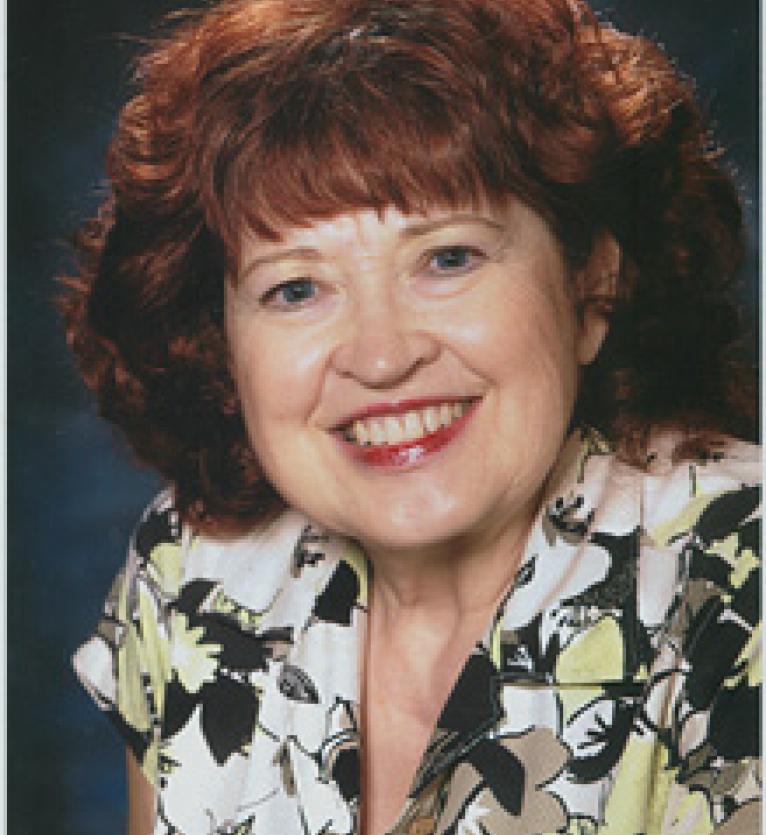
Barbara Dilly
I came to Creighton in 2000 and retired in 2020. My twenty years of teaching, research and service in the Jesuit tradition enhanced my own life. It was an exciting time of celebration. I loved teaching and interacting with Creighton students because they responded so eagerly to the Ignatian pedagogical emphasis on the development of the whole person. It is this spirit of whole person development and celebration of life that I hope to infuse in my reflection writings.
My academic background is eclectic, preparing me well for the Liberal Arts academic environment at Creighton. I earned my BA in World Arts and Cultures from UCLA in 1988 and my Ph.D. in Comparative Cultures from the University of California, Irvine in 1994. My research focused on rural communities in the American Midwest, Latin America, and Australia. I taught Environmental Anthropology, Qualitative Research Methods, Social and Cultural Theory, and Food Studies courses.
I retired to Shell Rock, a small rural community in Northeast Iowa where I enjoy gardening, cooking, quilting, driving my 65 Impala convertible an my 49 Willys Jeepster. I have lots of fun playing my guitars with friends from the Cedar Valley Acoustic Guitar Association. But most importantly, I am still working to make my community and rural America a better place. I host a community quilt studio and serve on the Mission Board of my church. I also serve as the Climate Committee Chair and on the Executive Board of the Center for Rural Affairs.